
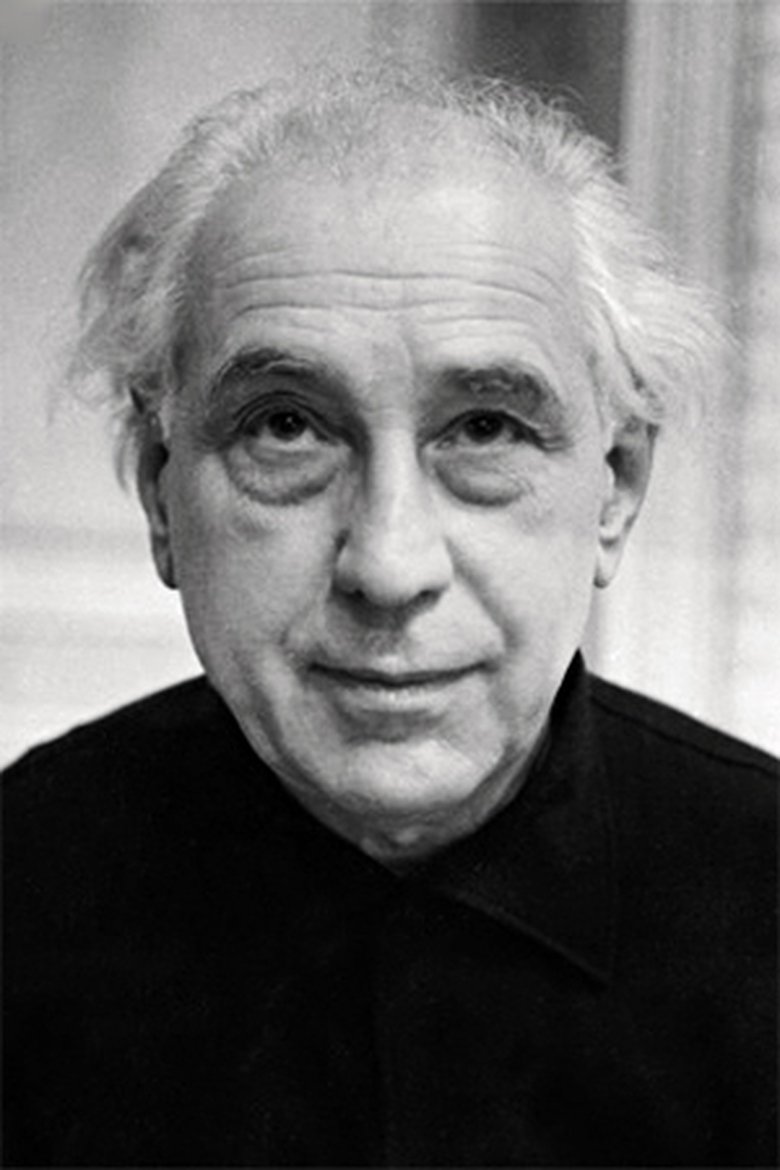
Abel Gance
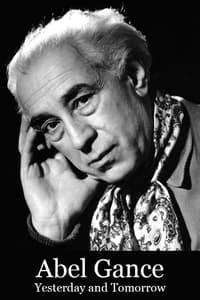
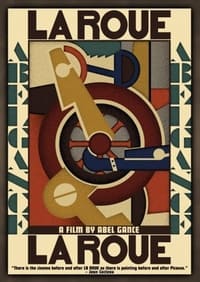
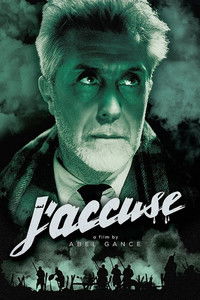
Abel Gance (October 25, 1889 – November 10, 1981) was a French film director, producer, writer and actor. A pioneer in the theory and practice of montage, he is best known for three major silent films: J'accuse (1919), La Roue (1923), and Napoléon (1927). He was born in Paris in 1889. In 1909, he acted in his first film. He also wrote scenarios, and often sold them to Gaumont. During this period he was diagnosed with tuberculosis, fatal at the time, but he recovered. In 1911, with some frien
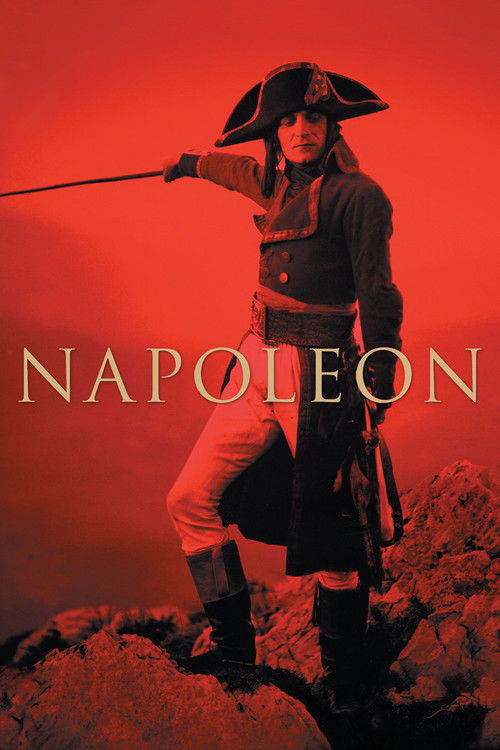
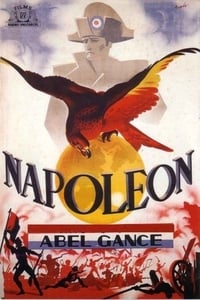
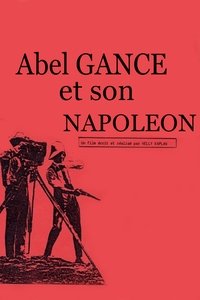
In 1921, Gance visited America to promote J'accuse. He met D. W. Griffith, whom he had long admired. He was also offered a contract with MGM but turned it down. He then embarked on his greatest project, a six-part life of Napoléon. Only the first part was completed, tracing his early life, through the Revolution, up to the invasion of Italy, but even this occupied a vast canvas with meticulously recreated historical scenes and scores of characters. The film was full of experimental techniques, combining rapid cutting, hand-held cameras, superimposition of images, and, in wide-screen sequences, shot using a system he called Polyvision needing triple cameras (and projectors), achieved a spectacular panoramic effect, including a finale in which the outer two film panels were tinted blue and red, creating a widescreen image of a French flag. The original version ran for around 6 hours. A shortened version received a triumphant première at the Paris Opéra in April 1927. Throughout his life he kept returning to Napoléon, editing his footage, and as a result the original 1927 film was lost from view for decades. The dedicated work of the film historian Kevin Brownlow produced a five-hour version, still incomplete but fuller than anyone had seen since the 1920s. It was presented at the Telluride Film Festival in 1979, and the occasion brought a belated triumph to Gance's career, and made his name known to a worldwide audience.
In the assessment of Kevin Brownlow, "...[Abel Gance] made a fuller use of the medium than anyone before or since". As well as his multiscreen ventures with Polyvision, he explored the use of superimposition of images, extreme close-ups, fast rhythmic editing, and he made the camera mobile in unorthodox ways – hand-held, mounted on wires or a pendulum, or even strapped to a horse. He also made early experiments with the addition of sound to film, and with filming in color and in 3-D. There were few aspects of film technique that he did not seek to incorporate in his work, and his influence was acknowledged by contemporaries and later by the French New Wave film-makers.
Born
Oct 25, 1889
Paris, France
Died
Nov 10, 1981
Known For
Directing
Movies
12 acting
91 crew
Popularity
0.5
Known For



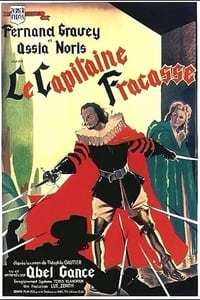
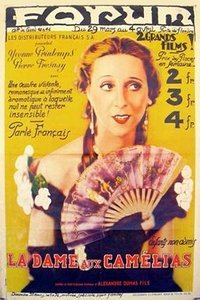
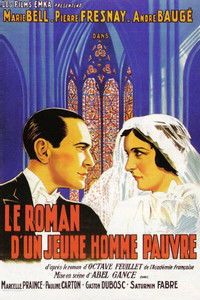
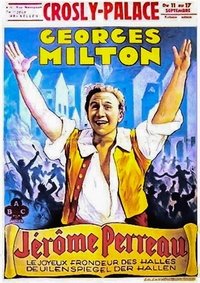
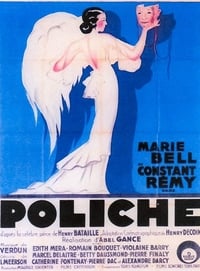
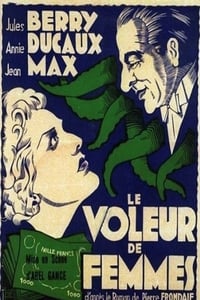
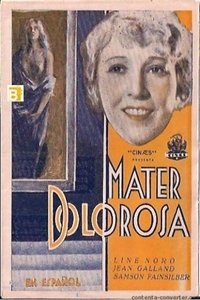
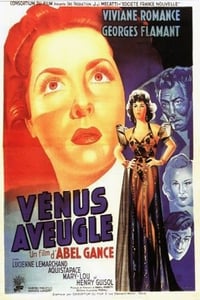




Add to Watchlist
Movie will be added to your watchlist