
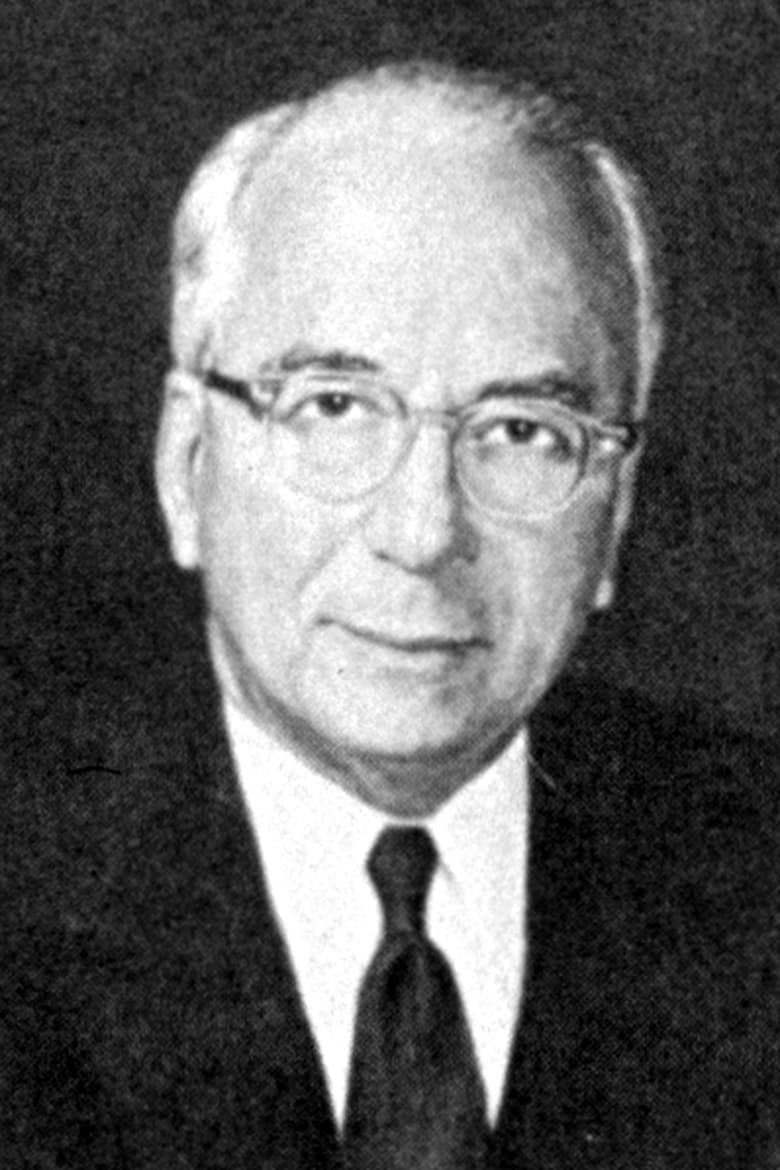
Lewis Strauss
Lewis Lichtenstein Strauss (/ˈstrɔːz/ STRAWZ; January 31, 1896 – January 21, 1974) was an American government official, businessman, philanthropist, and naval officer. He was one of the original members of the United States Atomic Energy Commission (AEC) in 1946 and he served as the commission's chairman in the 1950s. Strauss was a major figure in the development of nuclear weapons after World War II, nuclear energy policy, and nuclear power in the United States.
Raised in Richmond, Virgin
As a founding commissioner with the AEC during the early years of the Cold War, Strauss emphasized the need to protect U.S. atomic secrets and to monitor and stay ahead of atomic developments within the Soviet Union. Accordingly, he was a strong proponent of developing the hydrogen bomb. During his stint as chairman of the AEC, Strauss urged the development of peaceful uses of atomic energy, and he predicted that atomic power would make electricity "too cheap to meter". At the same time, he downplayed the possible health effects of radioactive fallout such as that experienced by Pacific Islanders following the Castle Bravo thermonuclear test.
Strauss was the driving force behind physicist J. Robert Oppenheimer's security clearance hearing, held in April and May 1954 before an AEC Personnel Security Board, in which Oppenheimer's security clearance was revoked. As a result, Strauss has often been regarded as a villain in American history. President Dwight D. Eisenhower's nomination of Strauss to become U.S. secretary of commerce resulted in a prolonged, public political battle in 1959 where Strauss was not confirmed by the U.S. Senate.
Description above from the Wikipedia article Lewis Strauss, licensed under CC-BY-SA, full list of contributors on Wikipedia.
Born
Jan 31, 1896
Charleston, West Virginia, USA
Died
Jan 21, 1974
Known For
Acting
Movies
5 acting
0 crew
Popularity
0.2
Add to Watchlist
Movie will be added to your watchlist